
So, you’re setting up a business in Dubai. The location is secured, the interior fit-out looks great, and you are ready to open your doors. Then, suddenly, everything grinds to a halt. Your Trade License is delayed because your security setup failed a government inspection.
We see this exact scenario play out all the time. Dubai is famously safe, but that environment is heavily engineered and strictly enforced. Business owners often assume that buying a few decent cameras and hiring a guy in a uniform is enough. It isn’t. Navigating Dubai security laws can quickly turn into a bureaucratic nightmare if you don’t know exactly what the regulator wants to see.
Let’s cut through the jargon. In this guide, we will break down the SIRA regulations Dubai enforces into plain English. We’ll look at the actual hurdles you need to clear, the risks of ignoring them, and how passing the burden to a proper security partner lets you get back to actually running your business.
What is SIRA (Security Industry Regulatory Agency)?
If you want to operate a commercial space here, the Security Industry Regulatory Agency (SIRA) is the authority you need to satisfy. They took over from the Department of Protective Systems (DPS) in 2016, and they don’t mess around.
SIRA is the government body that writes the rulebook for private security. They don’t just offer guidelines; they dictate the exact technical specs of your surveillance network and the legal requirements for the guards at your entrance.
Achieving complete SIRA compliance is mandatory. And because the agency regularly updates its standards to handle new security threats, compliance isn’t a “set it and forget it” task. It requires ongoing attention.
Which Businesses Must Comply with SIRA Regulations?
Do these rules apply to a small startup office? Yes, basic business security compliance UAE applies to almost everyone. But SIRA really turns up the heat on sectors dealing with high footfall or valuable assets.
If your company operates in one of these spaces, the requirements are incredibly strict:
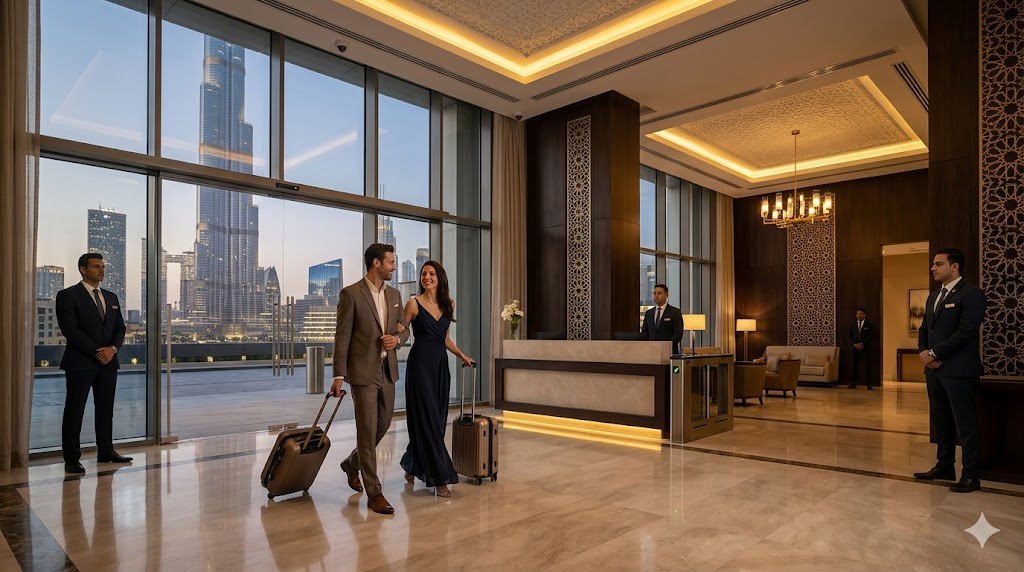
- Hotels and Hospitality: SIRA scrutinizes hotels heavily. You need comprehensive coverage of lobbies, corridors, and every single entry point to protect tourists.
- Jewelry Stores and Exchange Houses: If you hold high-value inventory or cash, expect the most intense audits. You’ll need advanced alarms, vaults, and direct integration with police dispatch.
- Malls and Warehouses: Massive spaces mean massive vulnerabilities. These facilities require dedicated CCTV control rooms and strict perimeter management.
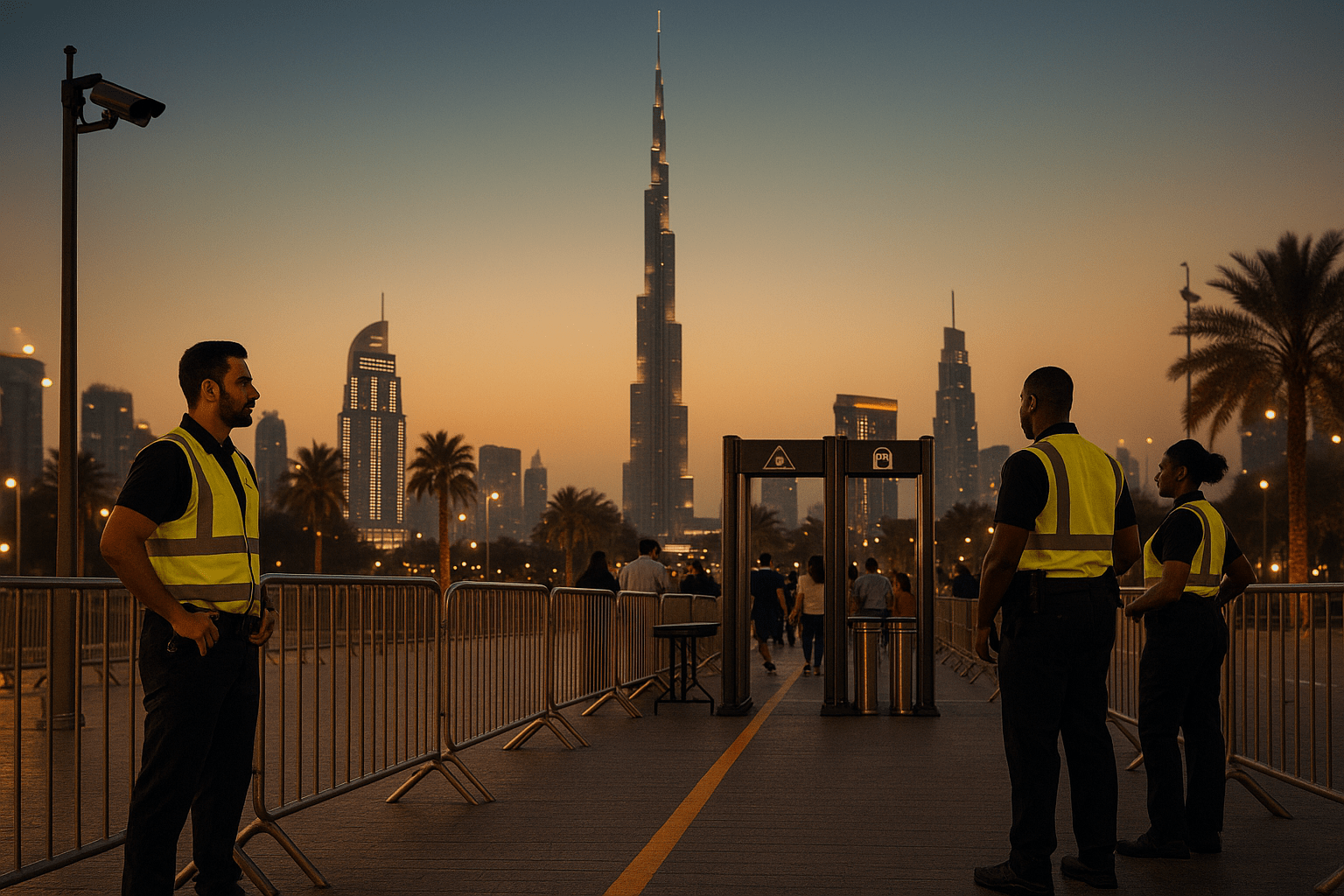
- Large Events and Exhibitions: Even temporary events aren’t exempt. Organizers must submit detailed security plans and deploy verified personnel just to get the permit.
Key SIRA Requirements for Businesses in Dubai
What does the regulator actually look for when they walk through your doors? Here are the non-negotiables you need to get right.
CCTV and Surveillance Systems
Throwing a few cheap cameras on the ceiling won’t cut it. SIRA CCTV requirements are notoriously specific. You must cover all fire exits, cash registers, and entrances with zero blind spots.
The hardware itself has to meet strict resolution and frame-rate minimums. Most importantly, you are legally required to store at least 31 days of recording on-site. If an incident happens and your footage is missing, overwritten, or too blurry to read, the liability falls squarely on your business.
SIRA-Licensed Security Guards
This is the number one area where businesses try to cut corners, and it always backfires. You absolutely cannot hire an unverified person off the street and put them in a security uniform.
To work in this sector, a guard must pass criminal background checks, complete rigorous physical and theoretical training, and pass medical exams. Deploying SIRA licensed guards is a strict legal requirement. If an inspector catches an unlicensed guard on your property, the fallout is immediate.
Access Control & Alarms
You also need physical barriers to protect your most sensitive areas. SIRA expects robust access control—think biometric scanners or heavy-duty keycard systems—for IT server rooms, management offices, and cash vaults.
These electronic locks must also be integrated with your building’s fire systems. If the fire alarm triggers, those secure doors must automatically unlock for safe evacuation. Getting that integration wrong is a fast fail during an inspection.
The SIRA Certification and Audit Process
Getting your hands on a SIRA certificate is a tedious, multi-step process. First, you have to hire an approved contractor to design the layout. SIRA won’t even look at plans drawn up by uncertified vendors.
Your contractor then uploads detailed schematics and equipment lists to the SIRA online portal. After the physical installation is done, the real stress test begins: the SIRA audit Dubai.
An inspector comes to your facility with a checklist. They will test camera angles, verify server storage limits, and demand to see the valid licenses of your security staff. You only pass if reality matches the approved drawings 100%.
What Are the Penalties for Non-Compliance?
Let’s talk about the risks. SIRA conducts random, unannounced spot checks across the city. If they find a violation, the fines can easily run into thousands of dirhams.
But the fines aren’t even the worst part. Failing to comply effectively paralyzes your company. SIRA will block your Trade License renewal, and you won’t be able to get a NOC (No Objection Certificate) for any future renovations or expansions. In severe cases of negligence, they can force a temporary closure of your premises.
How PSM Security Simplifies Your SIRA Compliance
Look, dealing with portal uploads, camera schematics, and guard licensing shouldn’t be your job. As a premier SIRA approved security company, PSM Security takes this entire headache off your hands.
We provide exclusively SIRA-approved guards. Our personnel are fully vetted, legally licensed, and trained to handle both emergency protocols and high-end customer service. We also consult with you on your physical layout to ensure your guard posts and patrol routes actually make sense for a SIRA audit.
We know exactly what the inspectors look for because we do this every day. With us, you avoid the fines, skip the delays, and actually get your business open on time.
Conclusion
The security regulations in Dubai are complex, rigid, and strictly enforced. But managing them doesn’t have to drain your time or energy. Your focus should be on scaling your business and serving your clients, not worrying about server storage limits.
Leave the red tape and the physical protection to the experts.
Contact PSM Security today to hire SIRA-approved security guards or consult on your business compliance in Dubai.