
Honestly, managing a hotel in Dubai is a headache.
You charge a premium—sometimes thousands of dollars a night—and in return, guests expect absolute perfection. They want to sip their coffee by the pool without a worry in the world. But here is the paradox we face daily: safety has to be bulletproof, yet completely invisible.
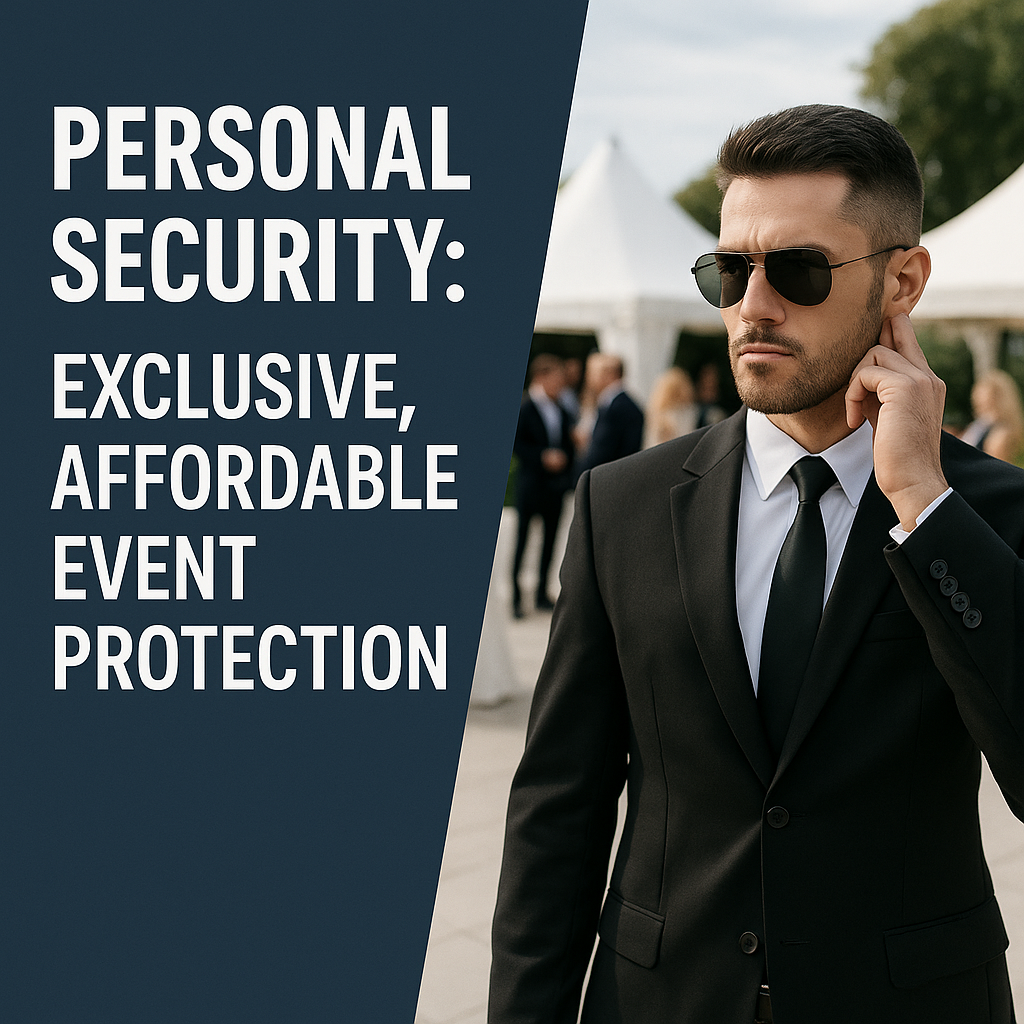
If you put a guy in heavy tactical gear at the front door, the relaxing vacation vibe dies instantly. People don’t want to feel like they are passing through an airport checkpoint on their way to breakfast. In my experience, finding that sweet spot between top-tier hotel security Dubai and a flawless customer experience is where most properties either succeed or fail miserably.
Let’s look at how things actually work on the ground.
Reality Check: The Hotel Security Nightmare
A hotel isn’t a locked corporate office. It’s a living, breathing micro-city with doors that never close.
When you mix tired travelers, an overly enthusiastic corporate party, routine delivery staff, and local diners in the same lobby at midnight, things get complicated. Distinguishing a wandering tourist from a potential threat takes more than just staring at CCTV monitors.
And then there are the high-profile guests. We are talking about politicians, celebrities, and royal families. Providing VIP hotel security for them usually means dealing with aggressive paparazzi or overly dedicated fans who try to sneak in through the valet or service elevators. Standard guarding protocols just break down here.
“Invisible” Protection (And Why It’s So Hard)
Simply put: Customer Service First, Security Second. Well, visually, at least.
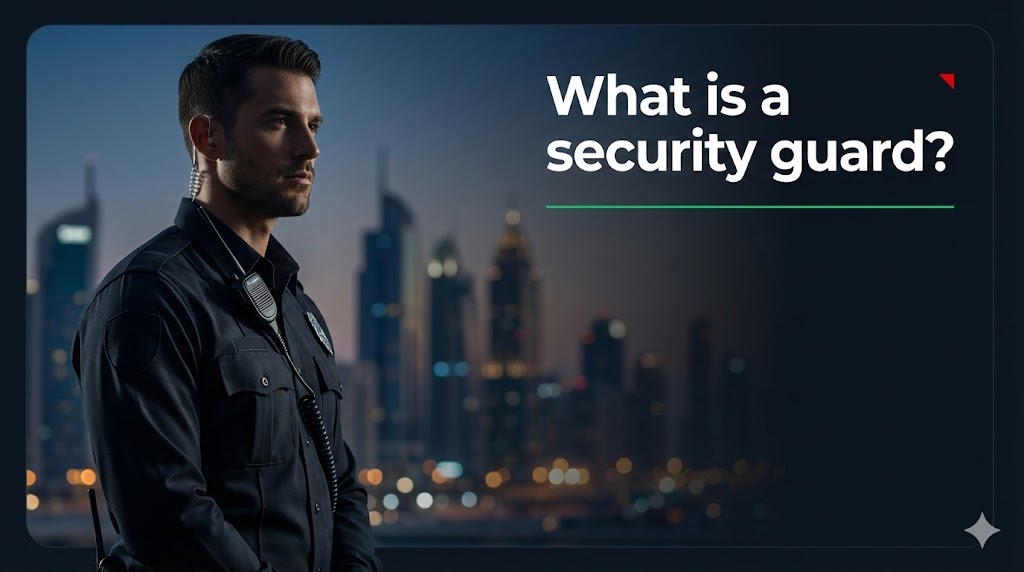
In practice, executing discreet protection Dubai is a massive challenge. A hotel guard is essentially an ambassador. They need to smile, hold the door, and clearly explain how to get to the spa. But simultaneously? They are profiling everyone who walks through the rotating doors, looking for baseline anomalies.
This is why you rarely see tactical uniforms in these environments. We put our teams in sharp, tailored business suits. They blend in. If done right, the guests just think there’s a really helpful concierge standing near the elevators. But this doesn’t always work perfectly. Sometimes, a guard’s natural instinct to confront a threat clashes with the need for diplomacy. Training that out of them is a continuous process.
The Messy Areas of Hospitality Security
If we break down the daily operations, hospitality security services usually fight fires in a few specific zones.
The Front Door Dilemma
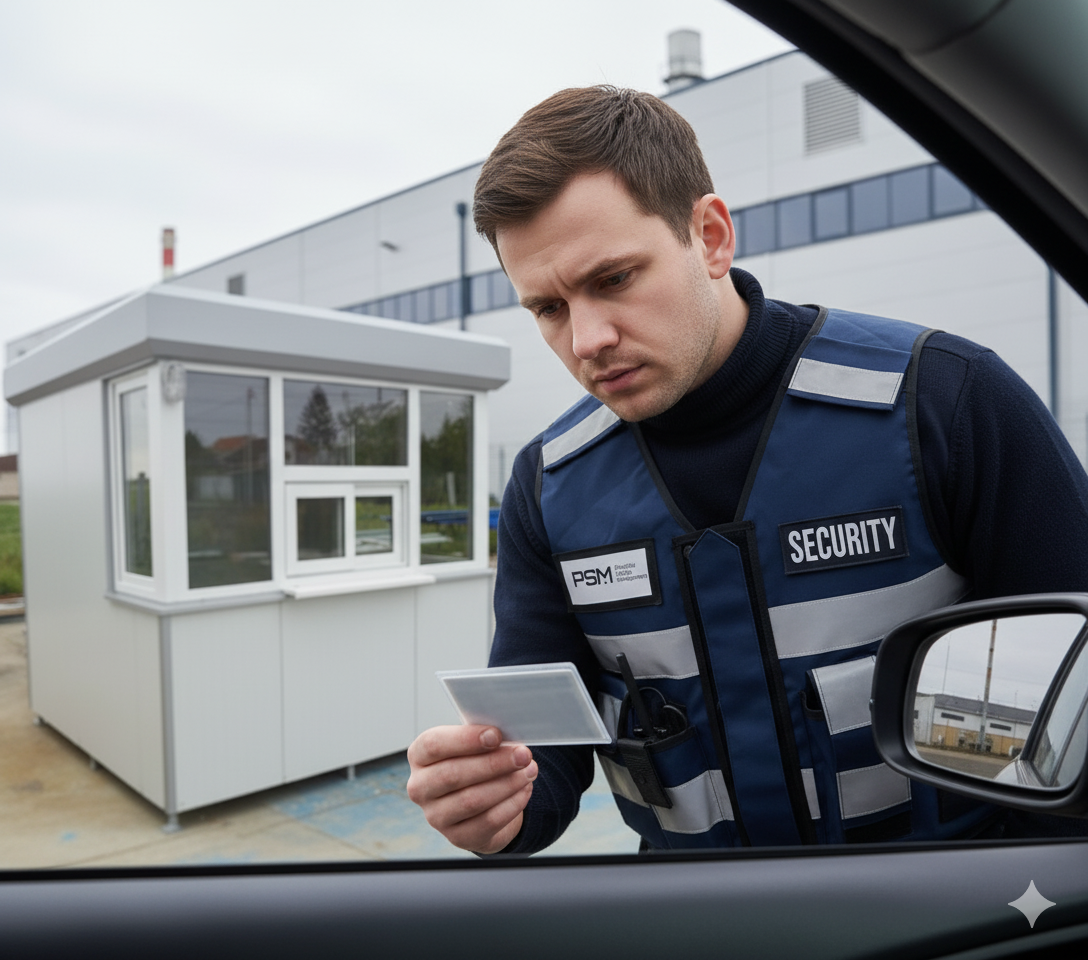
Access control in hotels isn’t about saying “no.” It’s about saying, “How can I help you find your way out?”
Truth be told, 70% of unauthorized people in a hotel aren’t criminals; they are just lost tourists wanting to look at the chandelier, or unauthorized taxi drivers soliciting rides. How do you filter them out without causing a scene? You don’t build a wall. You use polite, proactive engagement. A simple “Are you checking in, sir?” usually redirects the unwanted traffic without the actual paying guests ever noticing the interaction.
When Events Go Wrong
Event security in hospitality is mostly about crowd control. Dubai hotels constantly host massive weddings and global summits.
I’ve seen it happen: a 500-person wedding finishes at 2 AM, and a crowd of loud, happy guests floods the main lobby while the regular residents are trying to sleep. If security hasn’t planned a dedicated exit route or managed the flow, the complaints at the front desk the next morning will be brutal. You have to keep the party contained without making the guests feel caged.
The Back of House Blind Spots
Everyone focuses on the lobby, but the real financial drain often happens in the back corridors. Protecting assets isn’t usually about stopping a Hollywood-style heist. It’s about monitoring the loading dock so vendors don’t walk out with a $5,000 coffee machine, or ensuring room service carts aren’t left unattended. We focus heavily on employee entrances and service elevators because, frankly, that’s where the vulnerabilities lie.
The SIRA Factor (It’s Not Just Paperwork)
We’ve talked about SIRA regulations before, but it’s worth repeating. Hotels are heavily monitored by the government here.
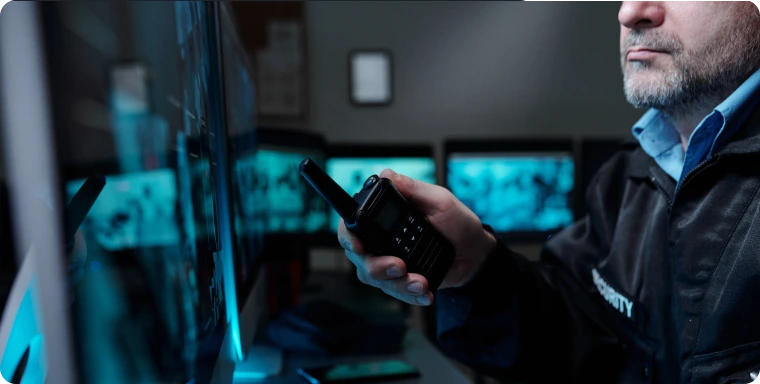
You need 24/7 CCTV monitoring, and you absolutely must use SIRA compliant hotel guards. This isn’t just a recommendation. In most cases, failing a surprise SIRA inspection results in massive fines—sometimes hitting 50,000 AED or more—or even a temporary suspension of certain operational licenses.
If you hire hotel security guards who aren’t properly licensed, you are putting your entire business at risk. It’s a careless mistake that happens more often than you’d think with properties trying to cut their budget on third-party agencies.
Our Take: Why GMs Actually Hire PSM
I’ll be straightforward. We aren’t the only security company in the UAE. But managing luxury hotel security UAE requires a very specific mindset.
- We train for diplomacy: If a guard has to use physical force in a five-star lobby, we consider that a failure. Our focus is heavily on de-escalation and verbal judo.
- Language matters: A misunderstanding can escalate quickly. Having personnel who speak multiple languages diffuses about 90% of minor conflicts at the front doors.
- We scale when things get crazy: Hospitality is entirely seasonal. During New Year’s Eve or major exhibitions, a hotel might need double the manpower for just four days. We provide that flexibility without dropping the standard of the personnel.
Ultimately, guest safety and experience is a moving target. There is no such thing as absolute, 100% security in an open environment like a hotel. But you can get incredibly close.
A safe guest is a relaxed guest. And a relaxed guest comes back. If you are struggling to find that balance between being welcoming and being secure, let’s talk. Contact PSM today to see how we handle hospitality protection in the real world.